

A STUDY OF HUMAN NATURE
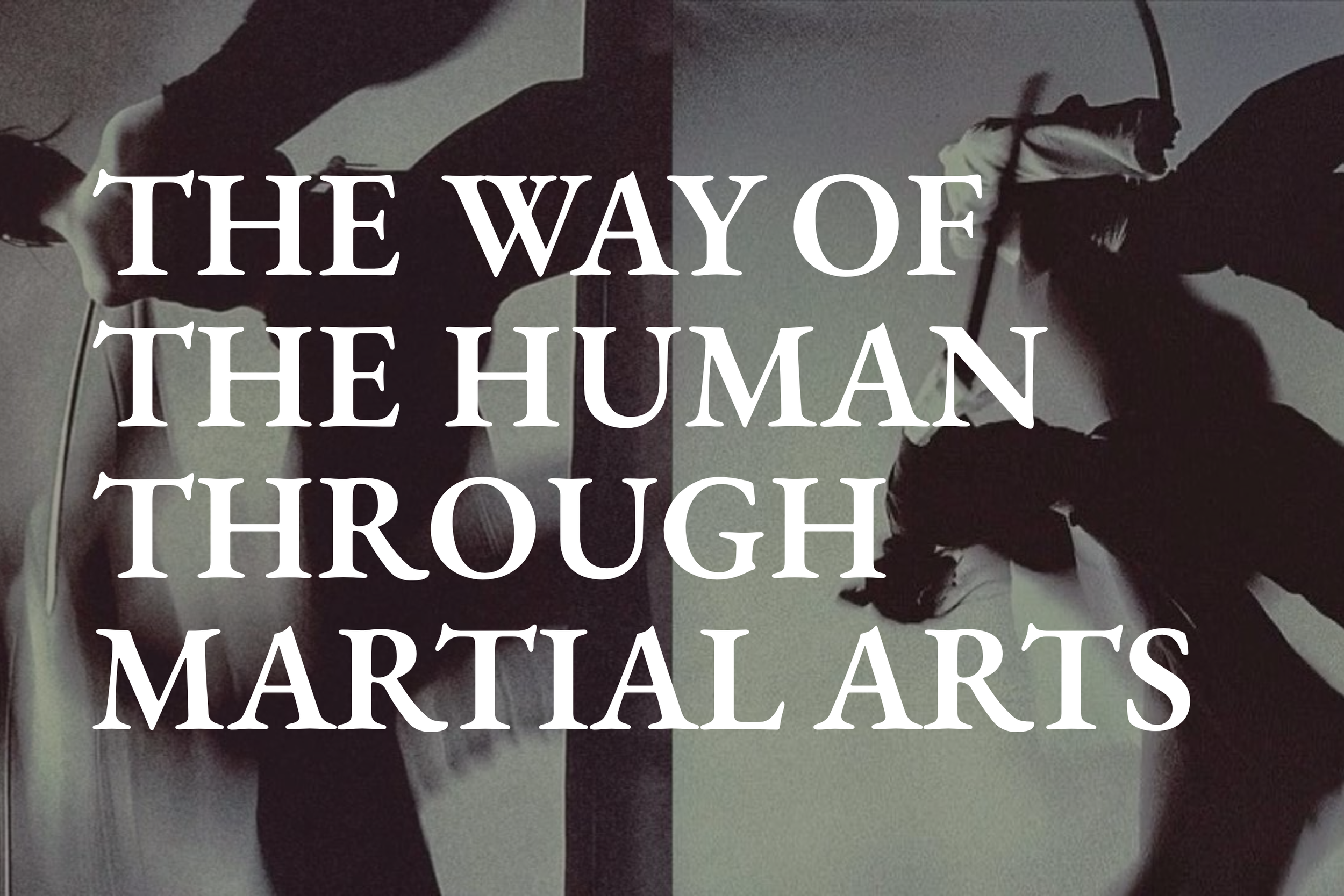
Martial arts as a laboratory for understanding human nature.
Most people believe martial arts are about fighting.
This misunderstanding reveals something important about how we perceive reality.
Human beings often mistake a system's visible function for its deeper purpose. A temple appears to be a building. A ritual appears to be a performance. A martial art appears to be combat.
Yet beneath each exists something deeper: a technology for transformation.
The strikes, throws, locks, and submissions are merely the language. The true subject is the human condition.
For thousands of years, martial arts have served as laboratories for observing human behavior under pressure. Long before neuroscience mapped the nervous system and long before psychology gave names to concepts like avoidance, attachment, and emotional regulation, martial practitioners were encountering these patterns directly.
The mat compresses reality.
Fear appears. Ego appears. Discomfort appears. Attachment appears. Avoidance appears.
What might take years to reveal itself in ordinary life can emerge within a single round.
The twelve laws that follow are not merely observations about martial arts.
They are observations about human nature itself.
About how we respond to pressure, uncertainty, growth, and change.
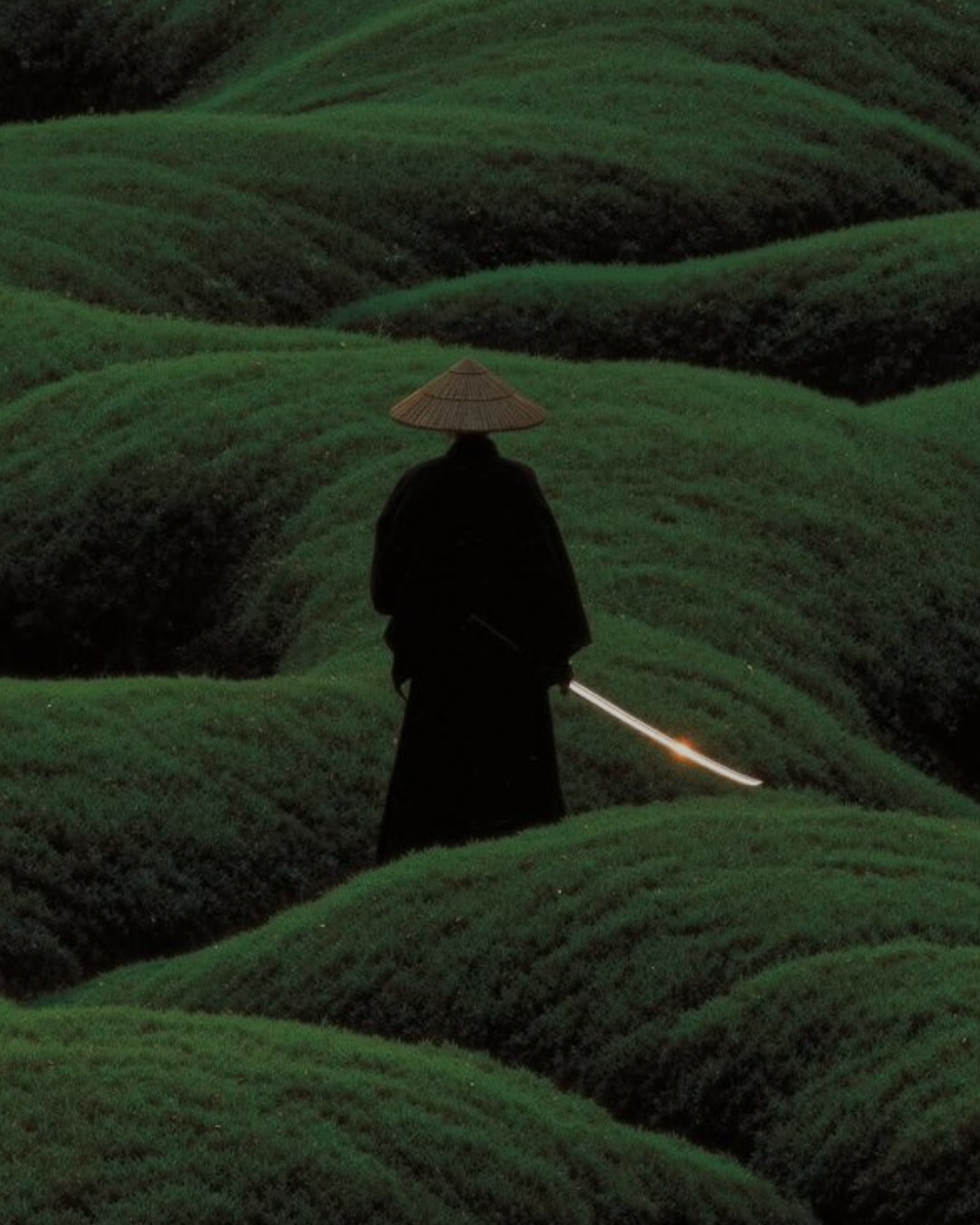
Law 01: Breathe Before You React
The nervous system cannot distinguish between many forms of threat. A difficult conversation, a financial setback, public criticism, or a charging opponent can trigger remarkably similar biological responses. To the body, pressure is pressure.
Most people react before they perceive. The moment discomfort appears, they rush toward action. Yet the most important skill is often the ability to create space. The untrained mind reacts. The trained mind observes. Between stimulus and response lives freedom.
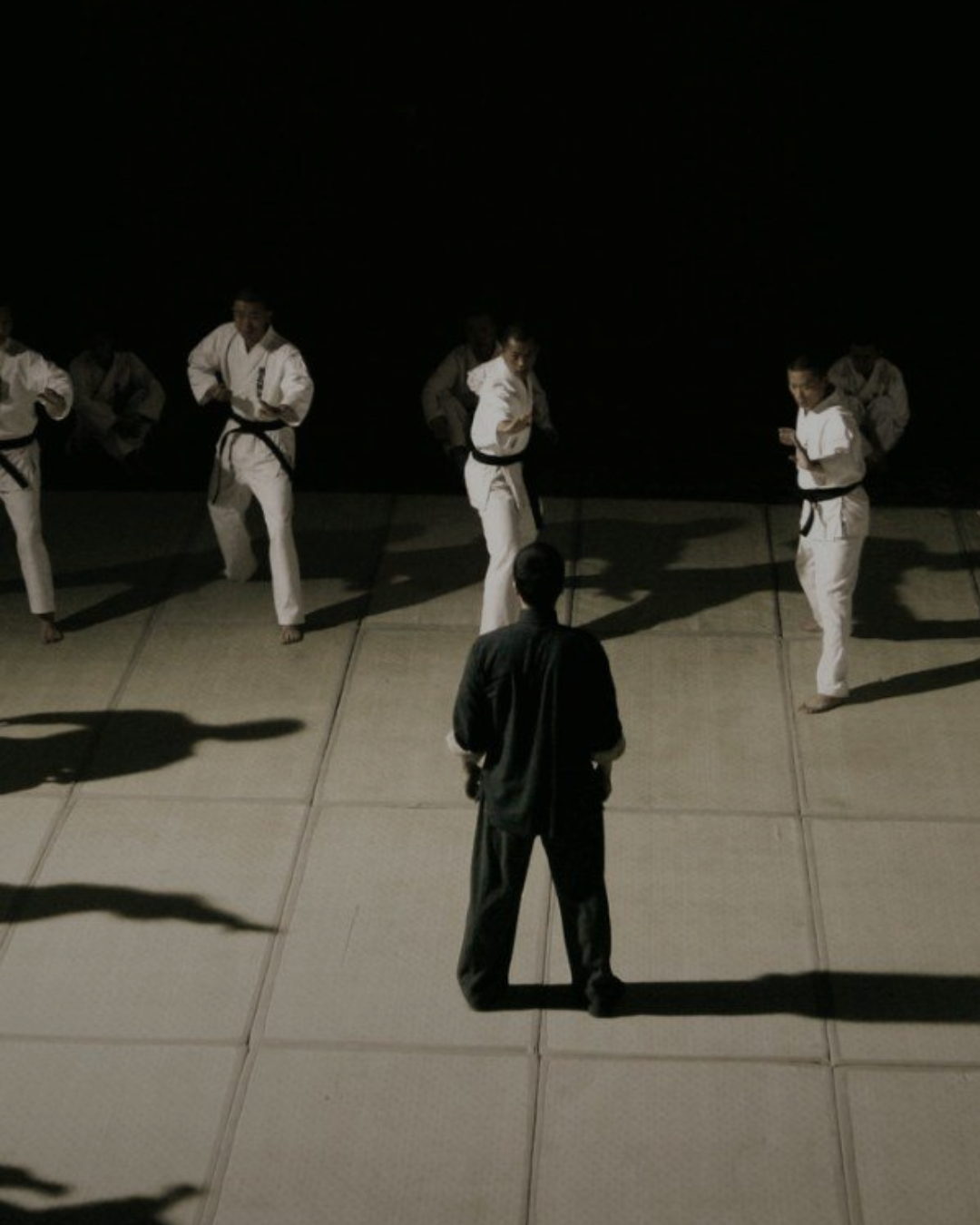
Law 02: Stability Before Solutions
Modern culture worships optimization, but biology worships stability.
Every adaptive system seeks regulation before expansion. A tree deepens its roots before extending its branches. The body seeks homeostasis before performance. The mind seeks safety before creativity.
Many people search endlessly for solutions while standing on unstable ground. The practitioner learns a different lesson. Stability is not the reward. Stability is the prerequisite.
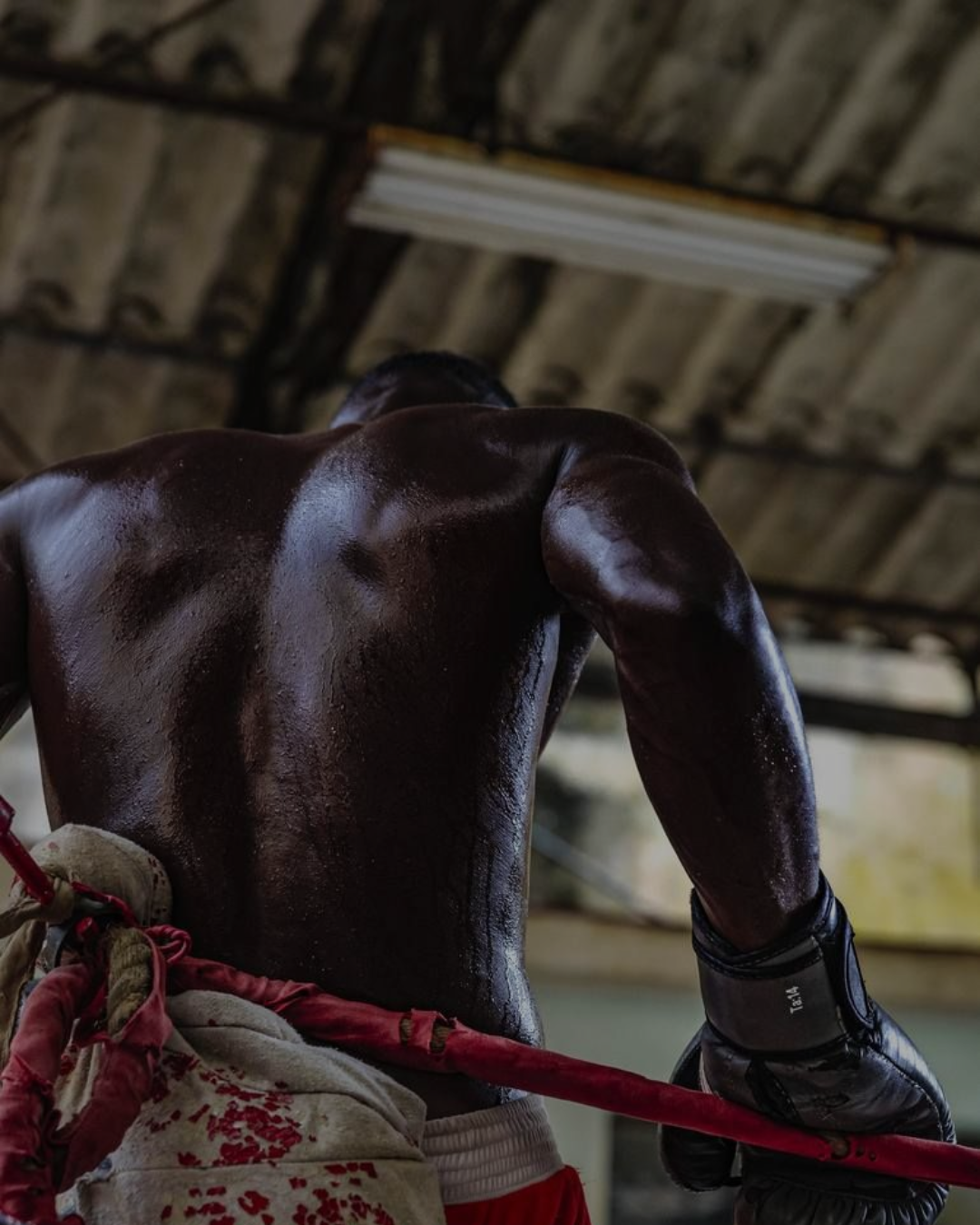
Law 03: Feeling Is Not Failure
Most suffering is not produced by discomfort itself. It is produced by resistance to discomfort.
Fear becomes anxiety when we attempt to escape it. Pain becomes suffering when we insist it should not exist. The emotions we suppress often return stronger than before, while the emotions we willingly experience tend to pass through us more quickly.
What we refuse to face often gains power over us. What we face directly begins to lose its grip.
Law 04: Structure Creates Freedom
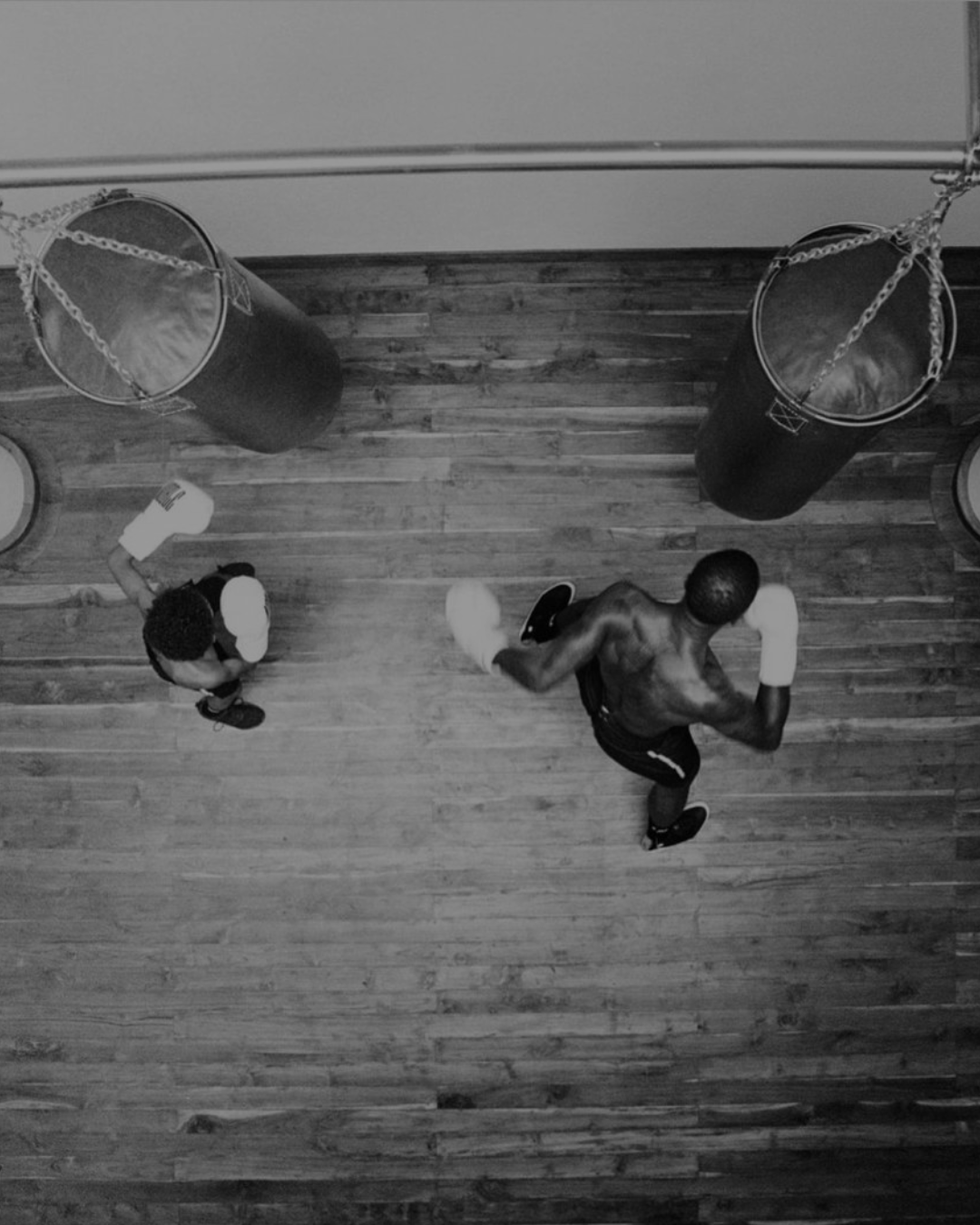
Many people view structure as the opposite of freedom. Martial arts reveals the opposite.
Nature itself operates through pattern. The heartbeat has rhythm. The breath has rhythm. The seasons have rhythm. Life emerges through structure, not despite it.
The disciplined practitioner becomes more fluid, not less. The musician becomes more expressive through practice. The artist becomes more creative through constraints. Freedom is rarely found in the absence of structure. More often, it emerges because of it.
Law 05: Small Moves Change Everything
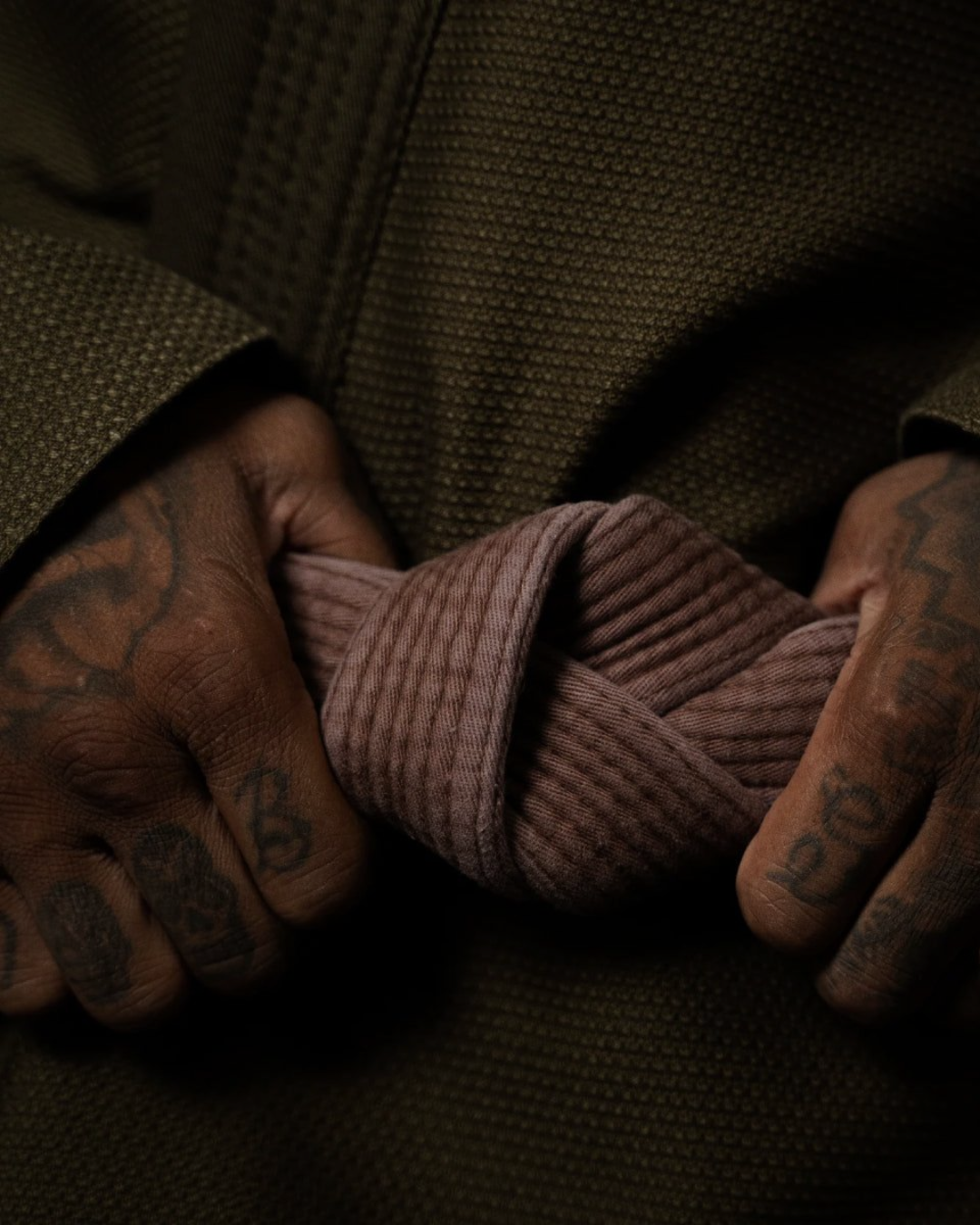
Human beings consistently overestimate dramatic moments and underestimate compounding ones.
A slight shift in posture changes an exchange. A slight shift in habit changes a trajectory. A slight shift in perspective changes a life.
Transformation rarely announces itself with certainty. Most meaningful change accumulates quietly beneath the surface until one day the result appears obvious in hindsight.
Direction matters more than intensity.
Law 06: Nothing Lasts Forever
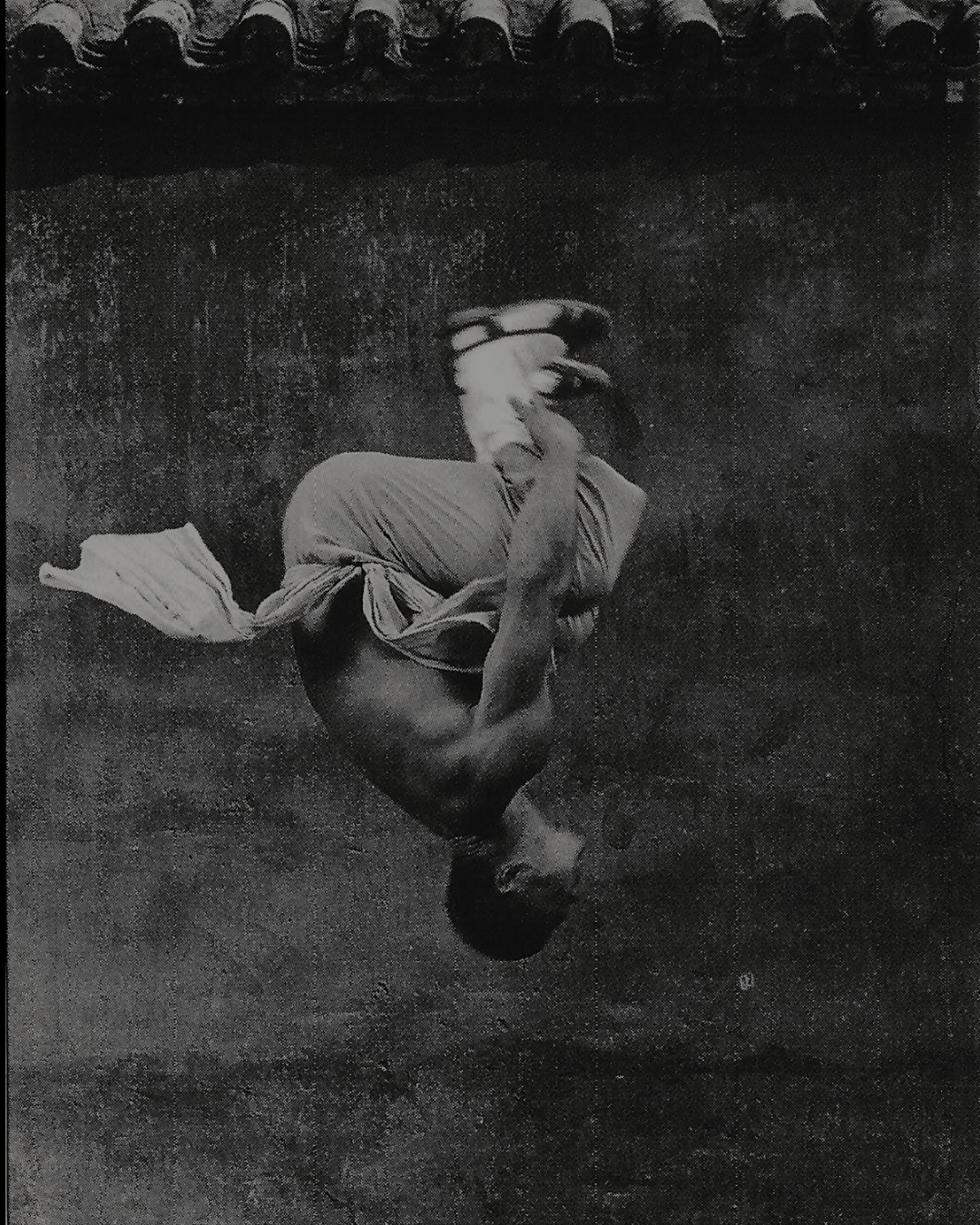
Every emotional state feels permanent from the inside.
Yet the universe is built upon process rather than permanence. Stress rises and falls. Motivation rises and falls. Confidence rises and falls. Even entire civilizations rise and fall.
The wave always changes.
Wisdom is remembering this while standing inside the storm. Suffering often begins when we demand permanence from a reality built upon change.
Law 07: You Are Not Your Current State
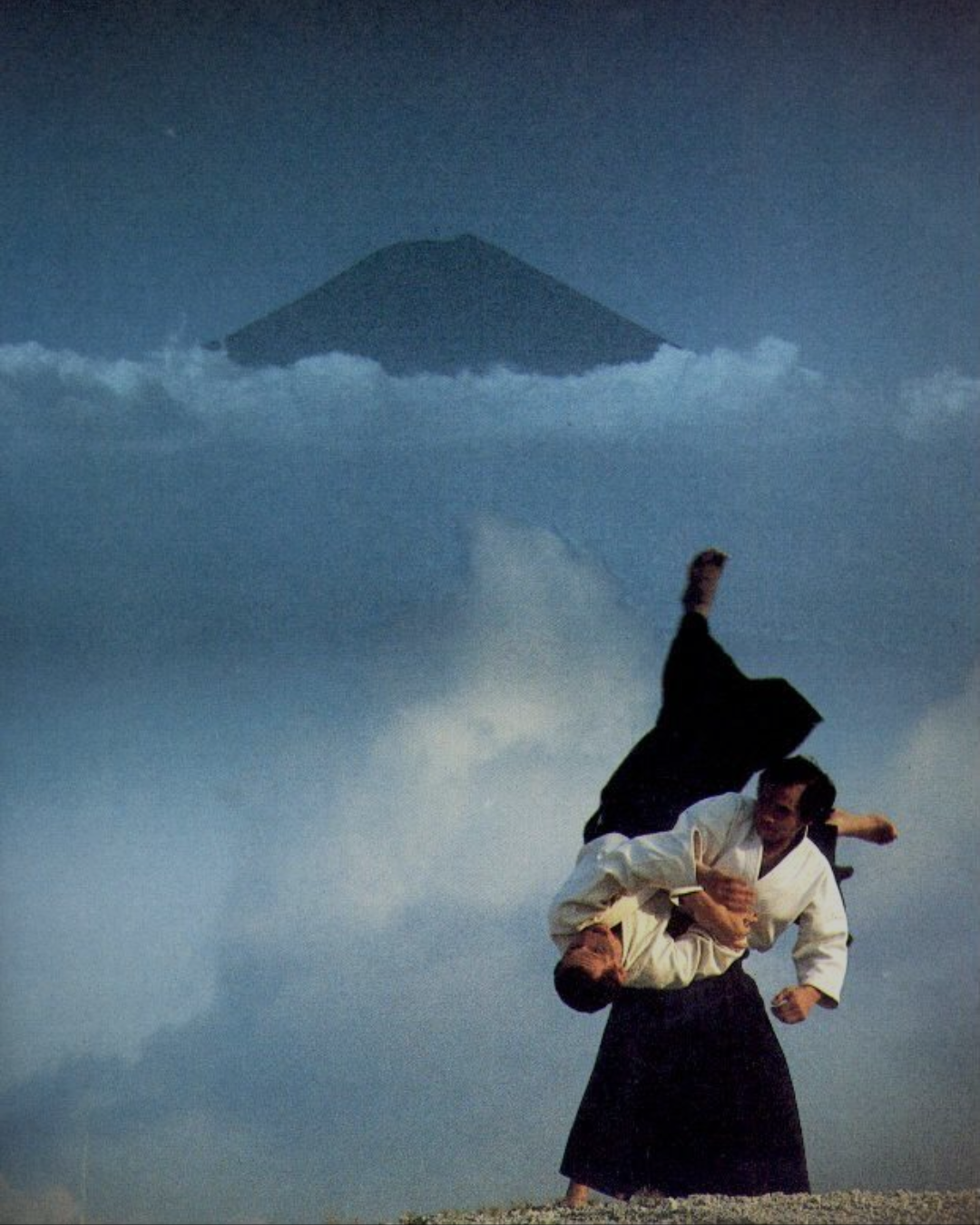
One of the mind's most common errors is confusing experience with identity.
A failure becomes "I am a failure." A setback becomes "This is who I am." A difficult season becomes a permanent story.
Martial arts repeatedly dismantles this illusion. The round ends. The position changes. The outcome changes. The story changes.
Identity remains larger than circumstance.
Who you are cannot be reduced to a single moment.

Law 08: Effort Is Not the Same as Progress
Nature favors efficiency over force.
Rivers carve mountains not through intensity, but through persistence and precision. The most skilled practitioner is rarely the one exerting the most energy. It is the one wasting the least.
Many people exhaust themselves through force when understanding would serve them better. Mastery is not the accumulation of effort. It is the refinement of effort.
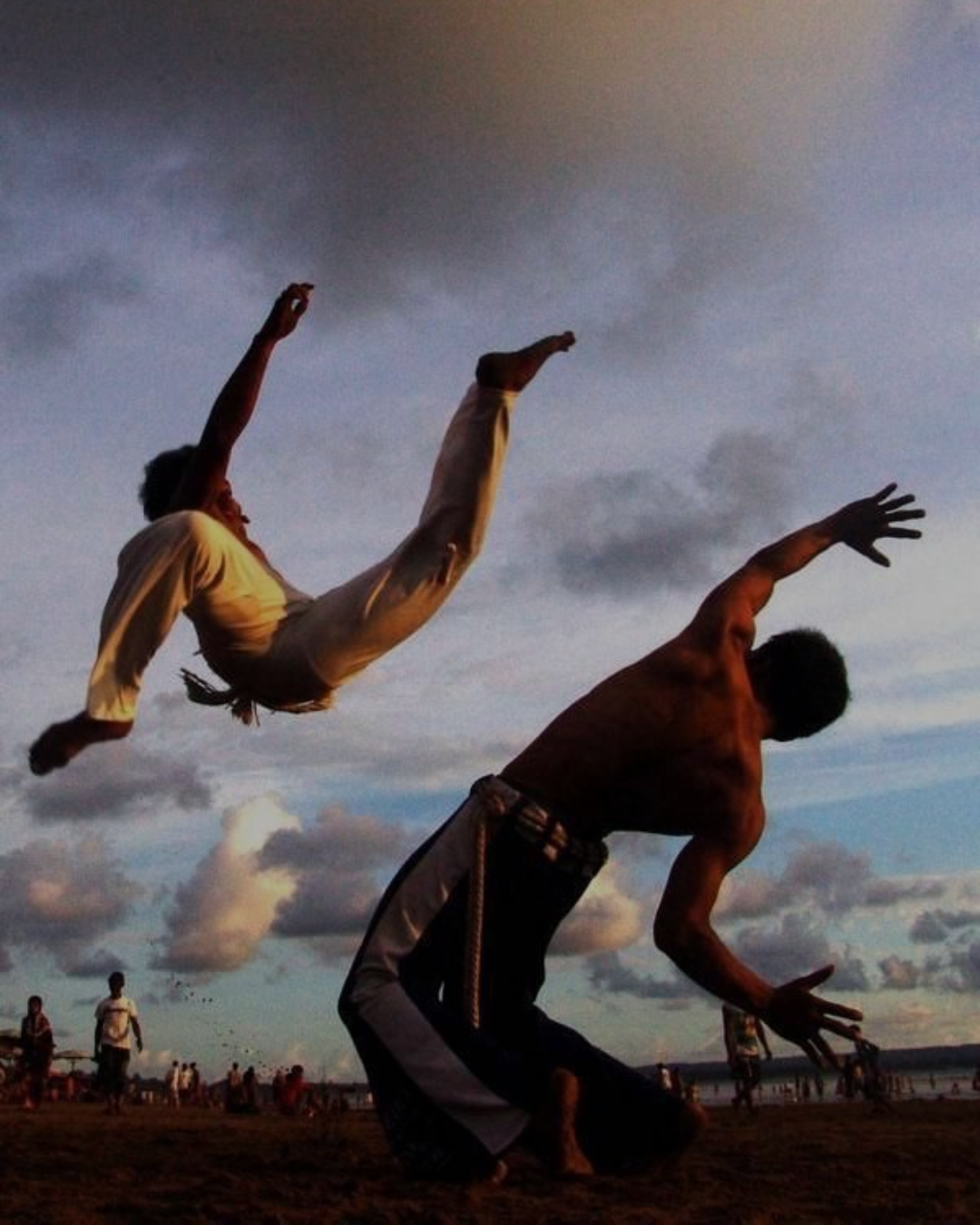
Law 09: Let Go Earlier
Attachment creates friction.
Whether to an expectation, belief, outcome, relationship, or identity, suffering often begins when reality moves forward and we refuse to move with it.
Many people hold on long after the lesson has been learned and long after the season has ended.
The practitioner learns to release. Not because surrender is desirable, but because adaptation is necessary. Growth requires making room for what comes next.
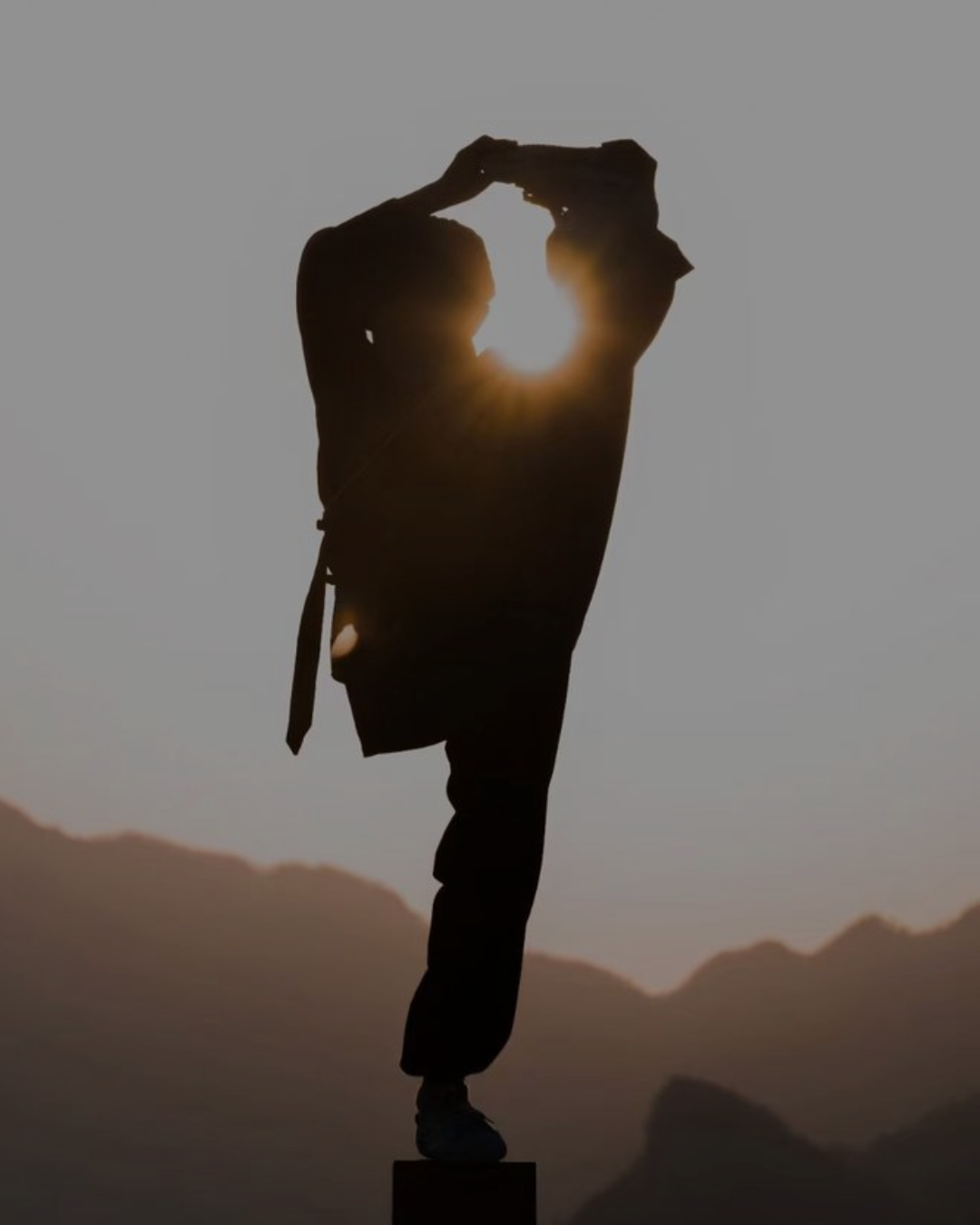
Law 10: Growth Is Not About Proving Something
The ego seeks validation. Reality seeks adaptation.
One asks, "How do I appear?" The other asks, "What is true?"
This distinction changes everything.
The desire to perform gradually gives way to the desire to learn. The need to win gradually gives way to the desire to understand. Growth begins when truth becomes more important than image.
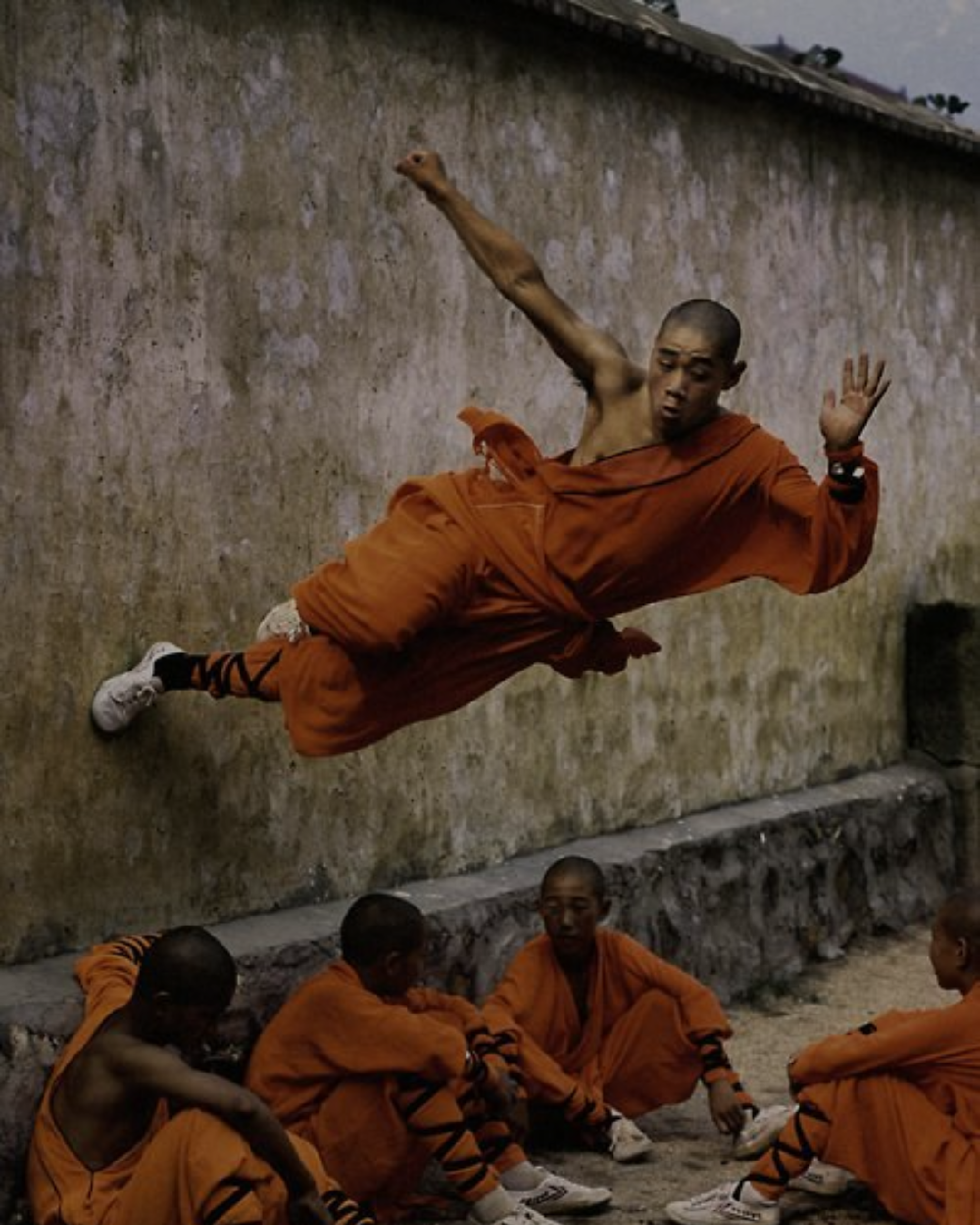
Law 11: Start Again Quietly
Nature does not announce renewal.
Spring arrives gradually. The sun rises without applause. A tree adds another ring without seeking recognition.
Most meaningful transformation follows the same pattern. It occurs in private. Through small decisions. Through ordinary repetitions. Long before anyone notices the result.
The disciplined person does not wait for the perfect moment to begin again.
They simply begin.
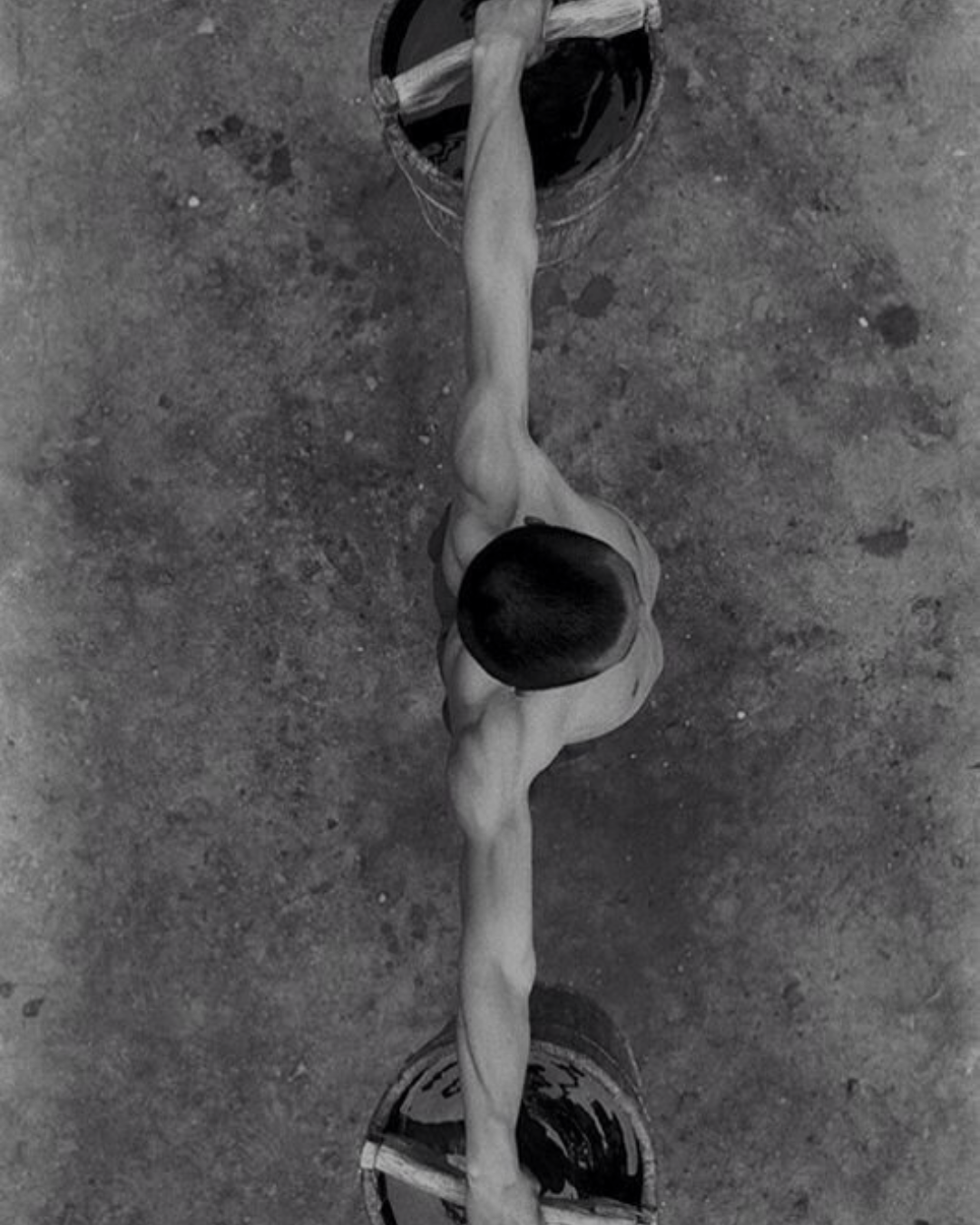
Law 12: Keep Showing Up
The ancient masters understood something long before neuroscience could explain it.
The nervous system changes through repetition. The body changes through repetition. Identity changes through repetition.
What is repeated becomes embodied.
Talent matters. Circumstances matter. Opportunity matters. But consistency remains one of the most powerful forces available to us. Progress belongs less to those who occasionally perform and more to those who repeatedly return.
The Deeper Lesson
At first glance, martial arts appear to be about defeating an opponent.
With enough time, a different truth emerges.
The opponent is rarely the central lesson.
The real confrontation is with the patterns operating beneath awareness itself. The impulse to react before understanding. The need to control what cannot be controlled. The tendency to mistake discomfort for danger. The habit of attaching identity to temporary conditions. The desire to appear rather than become.
Martial arts expose these patterns because pressure accelerates their appearance. What remains hidden in ordinary life becomes visible on the mat.
This is why martial traditions have endured for thousands of years.
Not because they teach combat.
Because they reveal human nature.
The mat is simply a mirror.
And reality is difficult to avoid when it is looking back at you.
