

THE INVISIBLE DIET
Field Notes is an ongoing collection of observations gathered through travel, conversations with monks, philosophy, science, and lived experience.
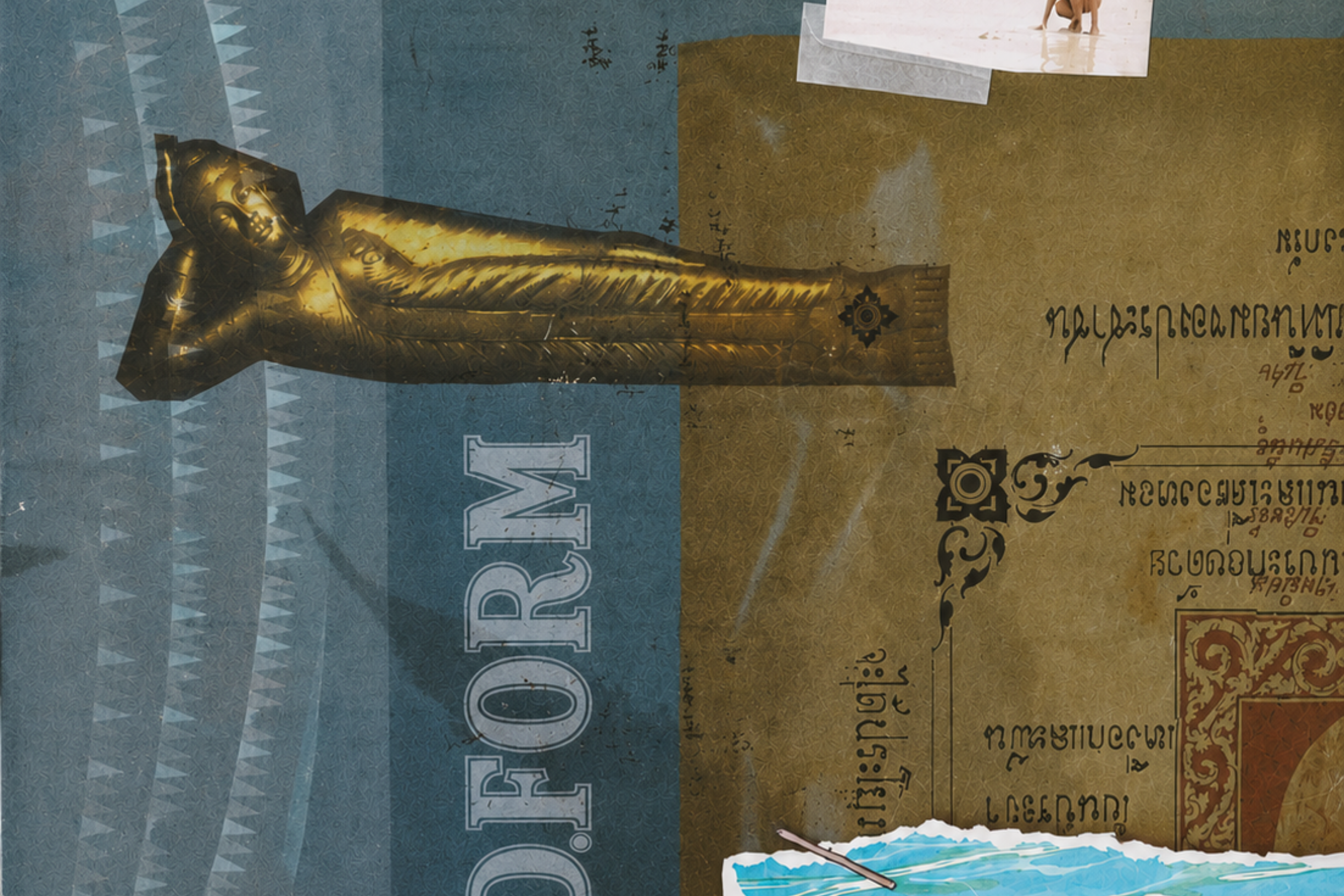
Last month I spent the morning at a temple listening to a dhamma talk ...
There was one idea that followed me home.
The monk compared the mind to the body. We all know what goes into a healthy meal. We choose ingredients carefully because we understand that what we eat eventually becomes part of us.
Then he asked us to consider the mind.
What is it being fed?
I've spent years trying to optimize my health. Like many people, I've gone down the rabbit hole of nutrition, strength training, recovery, sleep, breathwork, and every small habit that promises to make us healthier. But somewhere along the way, I realized I'd never applied that same level of intention to my attention.
I knew what I was feeding my body.
I had no idea what I was feeding my mind.
Unlike food, attention doesn't come with an ingredient list. There's no label warning us how repeated exposure to outrage, comparison, fear, or distraction might slowly shape the way we think. Yet every conversation, every book, every headline, every environment, and every thought we repeatedly return to quietly becomes part of us.
The more I sat with that idea, the more I realized it wasn't about Buddhism at all.
It was about being human.
Whether I'm sitting with monks, reading philosophy, studying neuroscience, or working as an engineer, I keep running into the same question from different directions:
What shapes a human life?
The answers sound different.
Yet they often point toward the same thing.
Attention.
It explains why the modern world feels so exhausting. Our attention has become one of the most valuable resources on the planet. Entire industries compete for it every second of the day.
The goal isn't simply to get us to look.
It's to keep us looking.
Over time, distraction begins to feel normal, stillness feels unfamiliar, and depth becomes increasingly difficult to find.
That realization also changed the way I think about meditation. For a long time, I assumed meditation was about breathing. Now I think breathing is simply the training ground. The real practice is learning to notice where your attention has wandered and gently bringing it back. Again and again.
Not just while sitting on a cushion, but while having a difficult conversation, scrolling through your phone, driving to work, or lying awake replaying the same story for the hundredth time.
Maybe that's why so much of our suffering isn't created by what happens to us.
Maybe it's created by what we continue feeding with our attention long after the moment has passed.
I've been sitting with that idea all week.
Your body is built from food.
Your mind is built from attention.
Maybe both deserve the same care.
— Vincent
